Introduction:
Ectopic pregnancy is a serious and potentially fatal obstetric complication and one of the main causes of maternal death and illness during the first trimester. It occurs when a fertilized egg implants outside the uterus, typically in the fallopian tube. Without early detection and management, EP can rupture, causing severe internal bleeding and even death.
This article offers a comprehensive overview of ectopic pregnancy, including its incidence, risk factors, pathophysiology, clinical signs, diagnostic tools, treatment options, complications, and long-term fertility outcomes.
Definition of Ectopic Pregnancy
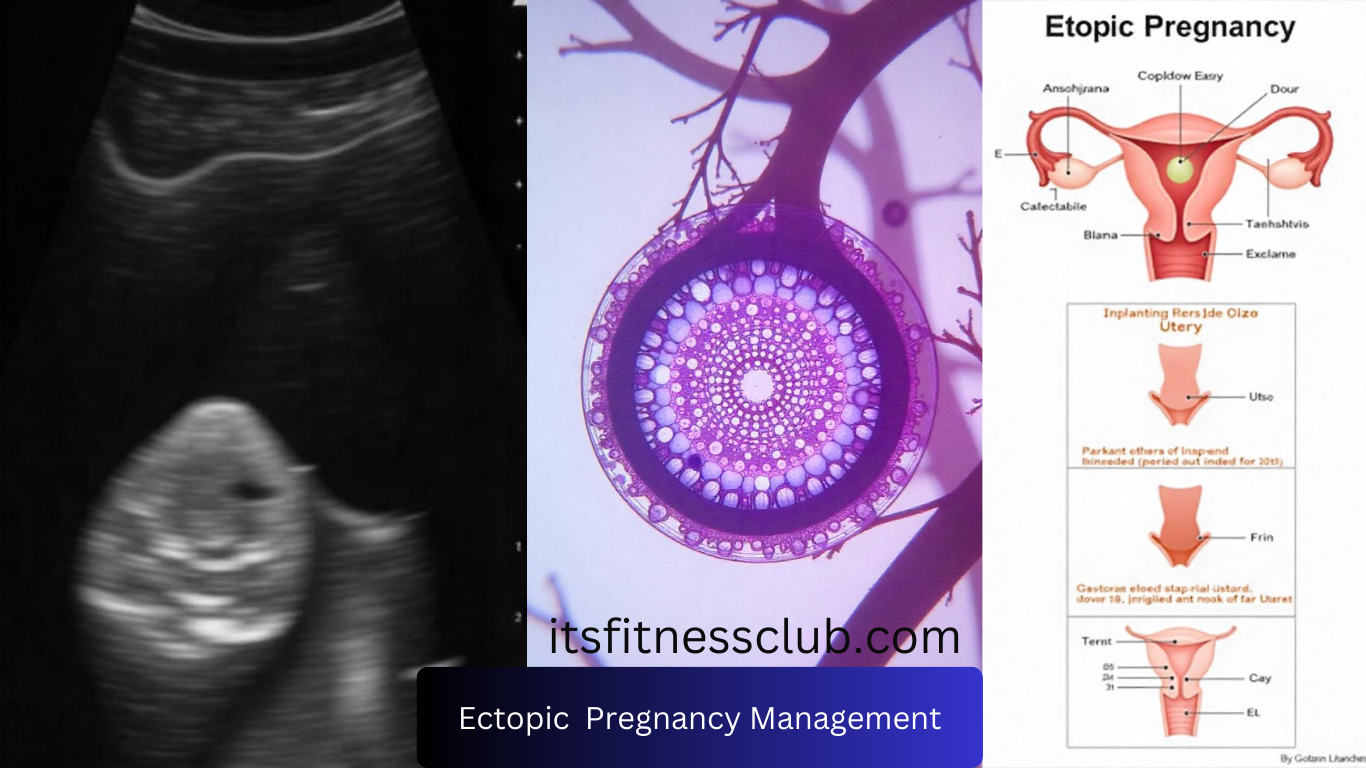
An ectopic pregnancy is defined as implantation of a fertilized egg outside the uterine endometrial cavity. The fallopian tube is the most common location (around 95%), but implantation may also occur in the cervix, ovary, abdominal cavity, or a cesarean section scar.
Epidemiology and Risk Factors
Incidence
- Occurs in 1–2% of all pregnancies.
- Responsible for 3–4% of pregnancy-related deaths in high-income countries.
- Rates have increased due to higher prevalence of pelvic inflammatory disease (PID), use of assisted reproductive technologies (ART), and sexually transmitted infections (STIs).
Risk Factors:
Modifiable
- Pelvic Inflammatory Disease (PID): Often linked to Chlamydia or Gonorrhea, leading to tubal scarring.
- Prior Ectopic Pregnancy: Recurrence risk is approximately 10–25%.
- Smoking: Disrupts tubal motility and function.
- Assisted Reproductive Techniques: IVF increases risk due to altered embryo placement.
- Intrauterine Devices (IUD): Rarely, if pregnancy occurs, it’s more likely ectopic.
Non-Modifiable
- Tubal Surgery/Damage: Includes ligation, salpingectomy, or reconstructive procedures.
- Congenital Abnormalities: Conditions like salpingitis isthmic nodose.
- Age >35 Years: Age-related decline in tubal function.
- Endometriosis: Can cause adhesions affecting the tubes.
Pathophysiology of Ectopic Pregnancy
Mechanisms vary by location, but generally involve:
- Impaired Tubal Transport: Due to inflammation, scarring, or hormonal effects.
- Abnormal Implantation: Embryo adheres to tubal wall, risking rupture.
- Continued Growth: Expansion in a confined space leads to pain and potential rupture.
Types of Ectopic Pregnancy:
1. Tubal Ectopic (95%)
- Ampullary (70%): Most frequent; later rupture.
- Isthmic (12%): Narrow part; ruptures early.
- Fimbrial (11%): May lead to tubal abortion into the abdomen.
2. Non-Tubal Ectopic (5%)
- Ovarian: Rare; mimics hemorrhagic cysts.
- Cervical: High hemorrhage risk; may need hysterectomy.
- Abdominal: Can attach to organs; high fetal mortality.
- Cesarean Scar: Grows in scar tissue; risk of uterine rupture.
- Interstitial (Cornual): Grows in uterine horn; dangerous due to delayed rupture.
Signs and Symptoms:
Classic Triad (Seen in ~50%)
- Unilateral Abdominal Pain – Sharp or cramping.
- Vaginal Bleeding – Usually lighter than menstruation.
- Amenorrhea – Missed period with positive pregnancy test.
Other Symptoms
- Shoulder Tip Pain – From blood irritating the diaphragm.
- Dizziness or Fainting – Suggests internal bleeding.
- Shock Signs – Low blood pressure, rapid pulse.
Ruptured Ectopic
- Sudden, severe abdominal pain.
- Symptoms of hypovolemic shock.
- Rigid abdomen from internal bleeding.
Diagnosis:
1. Blood Tests
- Beta-hCG: Rises more slowly than in a normal pregnancy.
- Progesterone: Often <5 ng/mL in ectopic cases.
2. Imaging (Transvaginal Ultrasound Preferred)
- No intrauterine gestational sac.
- Tubal ring or adnexal mass seen.
- Free fluid in pelvis indicates possible rupture.
3. Laparoscopy
- Allows direct visualization and is the gold standard for both diagnosis and treatment.
Differential Diagnosis:
- Threatened or incomplete miscarriage
- Ovarian torsion
- Appendicitis
- Pelvic inflammatory disease
- Ruptured ovarian cyst
Treatment Options:
A. Medical (Methotrexate)
Indications:
- Hemodynamically stable, no rupture
- hCG <5,000 mIU/mL
- No fetal heartbeat
Side Effects: Nausea, elevated liver enzymes, mouth ulcers.
B. Surgical
- Salpingostomy: Removes pregnancy, preserves tube.
- Salpingectomy: Removes affected tube; preferred if tube is damaged or ruptured.
C. Expectant (Rare)
- Only in selected cases with naturally falling hCG levels.
Complications:
- Tubal Rupture & Hemorrhage: Can be fatal.
- Recurrent Ectopic Pregnancy: Occurs in 10–25% of future pregnancies.
- Infertility: Due to tubal scarring or loss.
Fertility and Prognosis:
- Future intrauterine pregnancy rates: 60–80% (with one tube).
- Recurrence risk remains around 10–25%.
Prevention and Counseling:
- Safe sex practices and STI screening.
- Quitting smoking to protect tubal function.
- Early ultrasound in high-risk patients (e.g., prior EP, ART users).
Psychological Support:
- Emotional impact may include grief, anxiety, or depression.
- Access to counseling and support groups is crucial for recovery.
Advances in Research:
- New methotrexate regimens.
- Biomarkers for quicker detection.
- Techniques for fertility preservation post-treatment.
Conclusion:
Ectopic pregnancy is a medical emergency that demands swift and accurate diagnosis. Advances in treatment have significantly improved survival and fertility outcomes, but early recognition and prevention remain the foundation of optimal care.