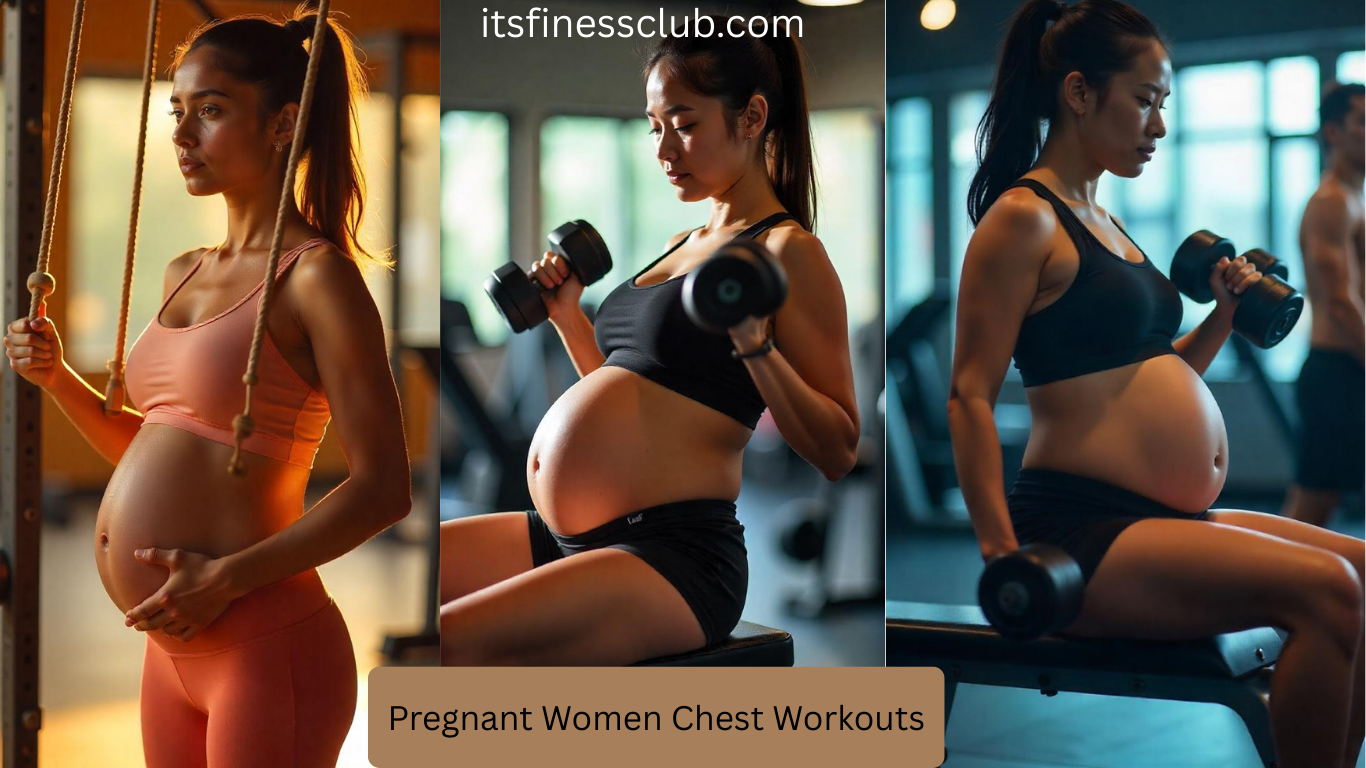
Introduction:
Pregnancy transforms your body in amazing ways, but these changes can also bring new physical challenges. As your baby grows, your center of gravity shifts, often causing posture changes and muscle strain. While many moms-to-be focus on leg and core exercises, strengthening your chest muscles is equally important for overall comfort and health.
Maintaining pectoral strength during pregnancy offers multiple benefits:
✔ Improves posture and reduces upper back tension
✔ Prepares your body for breastfeeding demands
✔ Makes daily tasks (like carrying groceries or your newborn) easier
✔ Boosts energy and mood through natural endorphins
The good news? Yes, you can safely work your chest muscles while pregnant – with proper modifications! This comprehensive guide covers:
- The science-backed benefits of chest exercises during pregnancy
- Safe, trimester-specific workout routines
- Common mistakes expecting mothers make (and how to avoid them)
- Expert-approved tips for comfortable, effective workouts
Whether you’re a fitness pro or just starting your prenatal exercise journey, these insights will help you stay strong safely. Let’s explore how to keep your upper body fit for pregnancy and beyond!
Why Chest Strength Matters for Expecting Mothers
Your changing body needs balanced muscle support. Here’s why pectoral exercises deserve a spot in your prenatal routine:
1. Posture Protection
- Pregnancy weight naturally pulls shoulders forward
- Strong chest muscles counteract this pull, preventing hunching
- Reduces strain on neck and upper back muscles
2. Prepares for Postpartum Demands
- Nursing requires sustained arm and chest endurance
- Carrying your baby (and all their gear!) becomes easier
- Helps prevent muscle fatigue during late-night feedings
3. Maintains Functional Strength
- Supports daily movements (lifting, pushing, reaching)
- Makes postpartum recovery smoother
- Preserves muscle tone through hormonal changes
4. Mental Health Boost
- Exercise releases serotonin and endorphins
- Combats pregnancy fatigue and mood swings
- Creates positive body connection during changes
Pregnancy-Safe Chest Exercises
Always consult your healthcare provider before starting new exercises, especially with high-risk pregnancies. Approved moves include:
1. Wall-Assisted Push-Ups
How to Perform:
- Stand arm’s length from a wall, feet hip-width
- Place palms on wall at shoulder height
- Slowly bend elbows to bring chest toward wall
- Push back to start with control
Benefits:
- Zero pressure on abdomen
- Adjustable difficulty by stepping closer/farther
2. Seated Dumbbell Press
How to Perform:
- Sit upright on stability ball or chair
- Hold 3-5 lb dumbbells at shoulder level
- Press weights upward until arms nearly straight
- Lower slowly with control
Benefits:
- Supported back position
- Strengthens shoulders and arms simultaneously
3. Stability Ball Chest Fly
How to Perform:
- Recline on exercise ball (upper back supported)
- Hold light weights with arms extended upward
- Open arms wide in controlled motion
- Return to center while squeezing chest muscles
Benefits:
- Gentle stretch for pectorals
- Ball supports spine’s natural curve
4. Resistance Band Pulls
How to Perform:
- Hold band with hands wider than shoulders
- Keep elbows slightly bent
- Pull band apart while squeezing shoulder blades
- Return slowly to start position
Benefits:
- Improves posture muscles
- No equipment needed (travel-friendly)
Trimester-Specific Adjustments
First Trimester (Weeks 1-12)
- Focus on establishing safe form
- Reduce intensity if experiencing nausea
- Stay cool and hydrated
Second Trimester (Weeks 13-27)
- Avoid supine positions (lying flat on back)
- Use incline bench or ball for reclined exercises
- Decrease weight if joints feel loose
Third Trimester (Weeks 28-40+)
- Prioritize seated/standing exercises
- Use bodyweight or lighter resistance
- Slow movements to accommodate balance changes
Critical Safety Considerations
🚫 Avoid These Common Mistakes:
- Overheating (watch for dizziness/nausea)
- Holding breath during exertion
- Ignoring pelvic floor pressure
- Pushing through pain (not discomfort)
💡 Smart Workout Habits:
- Warm up for 5-10 minutes first
- Maintain neutral spine alignment
- Stop immediately if you experience:
- Vaginal bleeding
- Contractions
- Sudden swelling
- Fluid leakage
Expert Tips for Success
✔ Hydration is Key – Sip water every 15 minutes
✔ Support Your Body – Wear maternity workout gear
✔ Listen Closely – Your body’s signals trump any routine
✔ Pair with Stretching – Counteract muscle tightness
✔ Track Progress – Note what feels good each week
Frequently Asked Questions
1. Can strength training harm my baby?
No – when done properly. Avoid heavy lifting and overheating. Studies show moderate exercise benefits fetal development.
2. How do I know if I’m overdoing it?
You should be able to talk comfortably during exercise. Stop if you feel any sharp pain or excessive fatigue.
3. What if I wasn’t active before pregnancy?
Start slowly with 10-15 minute sessions. Focus on form over intensity.
4. When should I completely stop working out?
Immediately if you experience bleeding, chest pain, or regular contractions. Otherwise, many women exercise until delivery with doctor approval.
Final Thoughts
Maintaining chest strength during pregnancy offers both immediate comfort and long-term benefits. By choosing modified, controlled movements, you can:
- Reduce common pregnancy discomforts
- Prepare your body for motherhood’s physical demands
- Boost your mental and emotional wellbeing
We’d love to hear from you! Which of these exercises have you tried? Share your prenatal fitness journey in the comments below.
Meta Description:
“Discover safe, effective chest workouts tailored for pregnancy! Learn trimester-specific exercises to improve posture, build strength, and prepare for postpartum. Expert-approved guide.